Still Have Questions?
Our team is here to help. Submit your question and we’ll get back to you promptly.


BY TOPIC
Scopus Solar is a proposed solar and battery energy project in Bollinger and Cape Girardeau Counties, Missouri. The project combines solar generation with battery storage to deliver American-made electricity to the region, bolstering the electric grid and reducing dependence on out-of-state energy sources.
Scopus Solar generates significant benefits for the community, contributing over $13 million in new tax revenue to support local schools, fire departments, and families, while creating hundreds of well-paying jobs.
All equipment will be removed under a decommissioning and reclamation plan that is backed by a financial bond.
Vesper Energy is always available to answer your questions. Please contact us directly at info@scopusrenewableenergy.com at any time. Our community affairs team responds to all questions from Bollinger and Cape Girardeau County residents. We know that staying available and transparent is how trust gets built.
Vesper Energy develops, owns, and operates utility-scale solar and battery storage projects across the United States, building reliable power infrastructure for the businesses and communities that depend on it. Headquartered in Fort Worth, Texas, Vesper’s team has collectively delivered energy projects across all U.S. markets. Today, Vesper’s active development pipeline spans more than 11,000 MW across 35+ projects in CAISO, ERCOT, MISO, PJM, and WECC. Learn more at www.vesperenergy.com.
Our team has successfully developed and delivered utility-scale energy projects across the United States. We currently operate projects that supply power to the grid and have a large development portfolio moving through permitting, construction, and interconnection. Vesper’s Hornet Solar project in Swisher County, Texas is up and running, delivering power to the regional grid, generating property tax revenue, and supporting local employment in its host community. Scopus Solar would follow that same approach.
Early, transparent engagement is important to Vesper. We engage early and often with residents, landowners, and elected officials. Projects are shaped through public meetings, open houses, and direct conversations. During construction, projects support local jobs and businesses. Once operating, they provide long-term tax revenue and payments that support schools, roads, emergency services, and other local priorities.
Contact us here, and one of our staff will be in touch soon:
Solar panels convert sunlight into electricity. That electricity flows through equipment on-site and then into the regional power grid, where it is used by homes, businesses, and public services.
Electricity demand is rising due to population growth, data centers, and new technologies. Solar energy increases domestic power supply, improves grid reliability, and supports stable energy prices for American families.
Solar projects provide long-term tax revenue, create local jobs, and support public services. They also deliver reliable electricity to the grid, reducing outages and stabilizing energy costs over time.
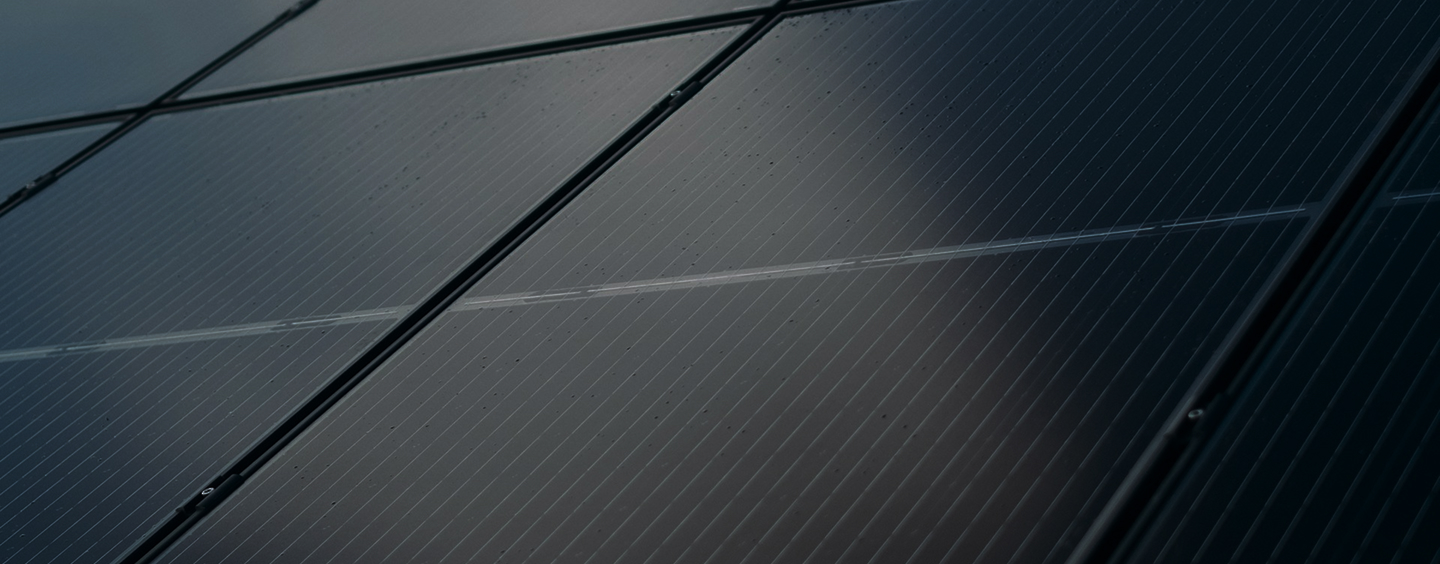
Solar panels are dark, low-profile panels mounted on metal frames. Most are 8–12 feet tall at their highest point and are arranged in rows with space between them.
Most solar facilities operate for about 40 years. Equipment is monitored continuously, and individual panels can be replaced as needed.
Panels are recycled through specialized facilities that recover materials such as glass, aluminum, and silicon for reuse.
Solar projects generate electricity without burning fuel, so they produce no air emissions, no smoke, and use little to no water during operation. They operate quietly, with only minor sound from electrical equipment that is typically not audible beyond the site.
Construction is temporary. Afterward, the site is stabilized with vegetation to prevent erosion and manage stormwater.
Environmental studies are completed before construction to identify sensitive species, wetlands, or habitats. If needed, the project layout is adjusted to avoid impacts.
Solar does not permanently remove farmland from production. A solar lease is typically a 30- to 40-year agreement, after which panels can be removed, and the land returned to agricultural use. That differs from permanent development, like subdivisions or warehouses. Many farmers lease a portion of their land for solar while continuing to use the rest for agriculture. Additionally, sheep farming will likely be utilized to maintain the grass between and underneath the solar farm, providing another potential job source for residents in Bollinger/Cape Girardeau Counties.
Yes. Agrivoltaics allows solar panels and farming to coexist peacefully on the same land. You might often see activities like sheep grazing and pollinator plantings, which add to the land’s vitality. For instance, Vesper Energy’s Hornet Solar combines sheep grazing under and around its panels for effective vegetation management.
Studies examining utility-scale solar projects have found no consistent evidence that they reduce nearby property values. These facilities are typically located on large parcels of land and are screened in accordance with local requirements.
In addition, projects contribute to the local tax base. Property tax payments can support schools, emergency services, road maintenance, and other public services.
There is typically a temporary increase in traffic during the construction period, which usually lasts between six and twelve months. Most of the traffic consists of delivery trucks bringing equipment and workers traveling to and from the site.
Developers coordinate construction routes, delivery schedules, and work hours with local officials. This limits disruption to school bus routes, peak traffic times, and residential roads. Once construction is complete and the project is operating, daily traffic drops significantly. Solar and storage facilities require only a few periodic maintenance visits.
Solar and battery storage projects have an expected operating life of several decades. At the end of that period, the equipment is removed. Solar panels, steel racking, wiring, and battery units are removed from the site for recycling or disposal in accordance with regulations.
The land can then be restored to its prior condition or used for another purpose, depending on the landowner’s preference. Decommissioning plans are typically reviewed and approved as part of the original permitting process, ensuring a clear plan is in place long before the project reaches the end of its life.
The project owner is responsible for the cost of removing the equipment. Local governments typically require financial assurance, such as a bond or other security, before construction begins. This ensures that funds are available to cover decommissioning costs, even if ownership changes in the future.
This requirement protects landowners and the community by ensuring that equipment is properly removed at the end of the project’s life, without placing financial responsibility on taxpayers.
Battery Energy Storage Systems (BESS) use large batteries to store electricity for later use. The batteries charge when power is plentiful and release electricity when demand is higher.
Batteries connect to the grid and automatically charge and discharge based on grid needs, balancing supply and demand.
Storage keeps electricity available during peak demand, outages, or extreme weather. It supports reliable service and stabilizes energy prices.
Storage projects support grid reliability, reduce outages, provide tax revenue, and create local jobs while delivering dependable power.
Batteries store electricity when prices are lower and deliver it when demand is higher, reducing reliance on more expensive power sources and stabilizing prices.
Storage facilities consist of enclosed battery units, typically housed in rectangular containers, along with electrical equipment.
Yes. Battery energy storage facilities are designed and built to meet national fire, electrical, and building codes. These requirements cover how the equipment is installed, spaced, monitored, and operated under normal and emergency conditions.
Every battery unit is equipped with monitoring systems that keep an eye on temperature, voltage, and how well everything is working. If something goes beyond normal ranges, the system may be shut down to isolate the affected equipment to keep everything safe. The facilities are thoughtfully fenced, secured, and monitored around the clock to ensure safety at all times. From the very beginning, safety is a top priority in the design, and local and state agencies review it carefully before giving the green light for the project to operate.
Battery storage systems are designed with multiple layers of protection. They include fire detection systems that identify abnormal heat or smoke early. If an issue is detected, the system can automatically isolate the affected unit to prevent it from affecting other equipment.
Before operations begin, the project owner works directly with the local fire department. Emergency responders receive site access, training, and information on the specific equipment being used. Clear emergency response plans are established so responders know exactly what to expect and how to manage the situation safely.
Yes. Projects must comply with local zoning rules, setback requirements, and safety standards before construction can begin. Setbacks specify how far equipment must be from property lines, homes, roads, and other structures.
Battery storage and solar equipment are enclosed by secure fencing and are not open to the public. The equipment does not release emissions during operation and does not involve combustion, unlike a traditional power plant. Local planning boards and permitting agencies review project designs to confirm they meet all safety and land-use requirements before issuing approvals.
Yes. Coordination with emergency responders is required for project development. Before a facility begins operating, the project team meets local fire departments, emergency management agencies, and other responders to review site plans and safety systems.
Developers provide information about the technology, access points, shutoff locations, and emergency procedures. Many projects also support training opportunities, so responders are familiar with the equipment. This coordination continues after the project begins operating to ensure agencies have up-to-date information.
Scopus Solar is being developed by Vesper Energy, a company based in Fort Worth, Texas. We operate solar and battery storage projects across the country and stay accountable to the communities that host them. Our community affairs team is available to residents throughout development, construction, and operations.